
SUA at BeeConnected 2026: Research on Honey Bees and Colony Health in the Spotlight
02.06.2026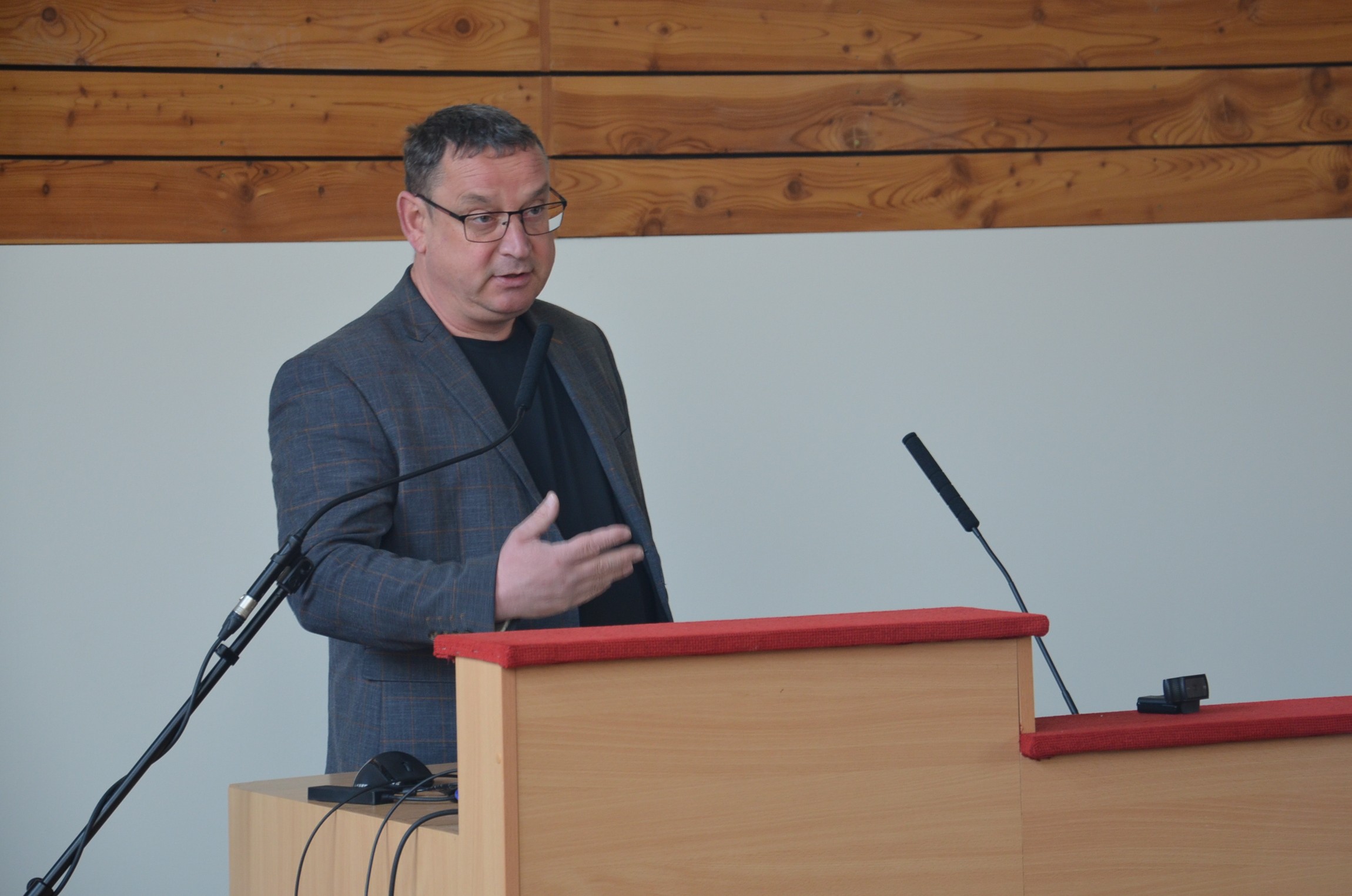
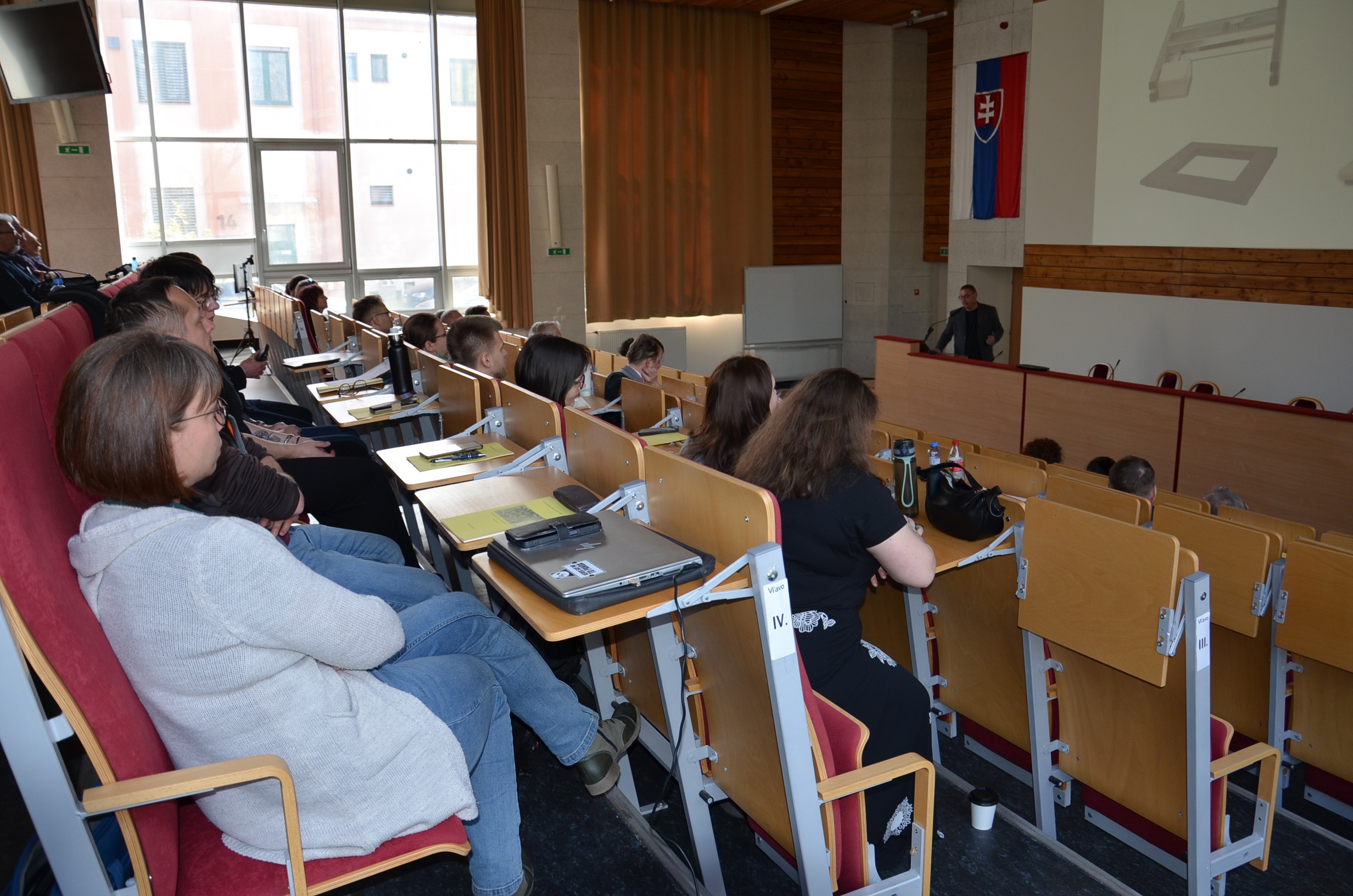
From 9 to 10 April 2026, representatives of the Faculty of Agrobiology and Food Resources of the Slovak University of Agriculture in Nitra participated in BeeConnected 2026 – the 4th Czech-Slovak Apidological Conference and the National Event of the B-THENET Project, held at the University of Veterinary Medicine and Pharmacy in Košice.
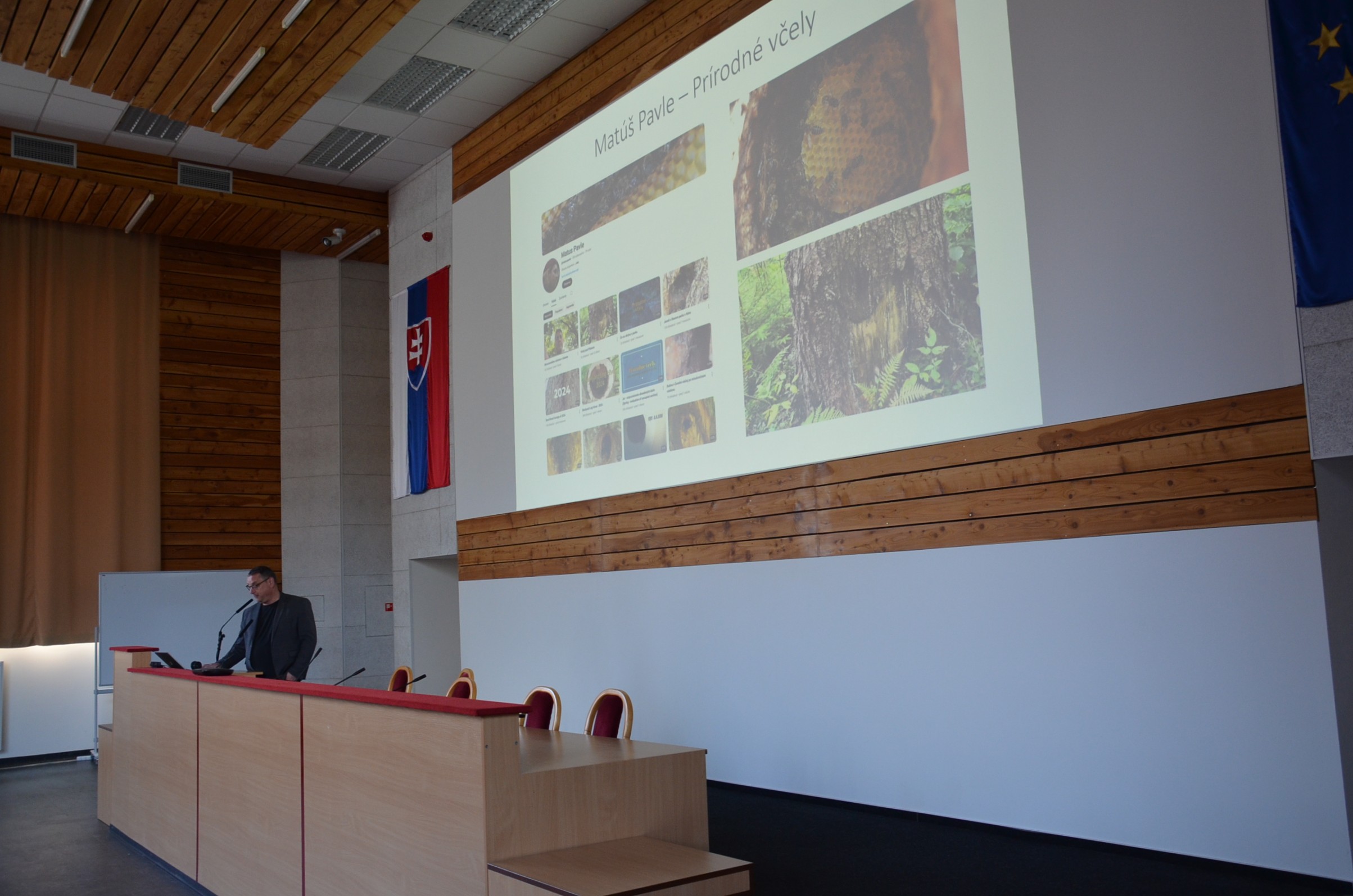
For the fourth time, this joint apidological conference brought together researchers, students, beekeepers, and representatives of professional organisations from Slovakia and the Czech Republic, creating a valuable platform for knowledge exchange and strengthening cooperation between science and practice. During the plenary session, Associate Professor Róbert Chlebo delivered a presentation on honey bee colony monitoring in Slovakia. Participants also showed great interest in discussions on the ongoing monitoring of free-living honey bee colonies conducted by Ing. Matúš Pavle, an external PhD student at the Faculty of Agrobiology and Food Resources. As is tradition, the conference devoted significant attention to presentations by PhD students and early-career researchers.
The second day of the event was dedicated to the National Event of the B-THENET project. This large European thematic network, funded by the Horizon Europe programme, aims to modernise European beekeeping through the exchange of best practices, innovations, and practical knowledge among beekeepers, researchers, advisors, and other stakeholders. The project runs from September 2022 to August 2026. The Faculty of Agrobiology and Food Resources of the Slovak University of Agriculture in Nitra is one of the collaborating institutions within this network. During the national event, Associate Professor Róbert Chlebo contributed with an expert lecture focused on honey bee nutrition.
The participation of FAFR representatives in the event helped promote the university’s research activities, strengthen cooperation with national and international partners, and gain new knowledge applicable to research, education, and professional practice in the field of beekeeping.